
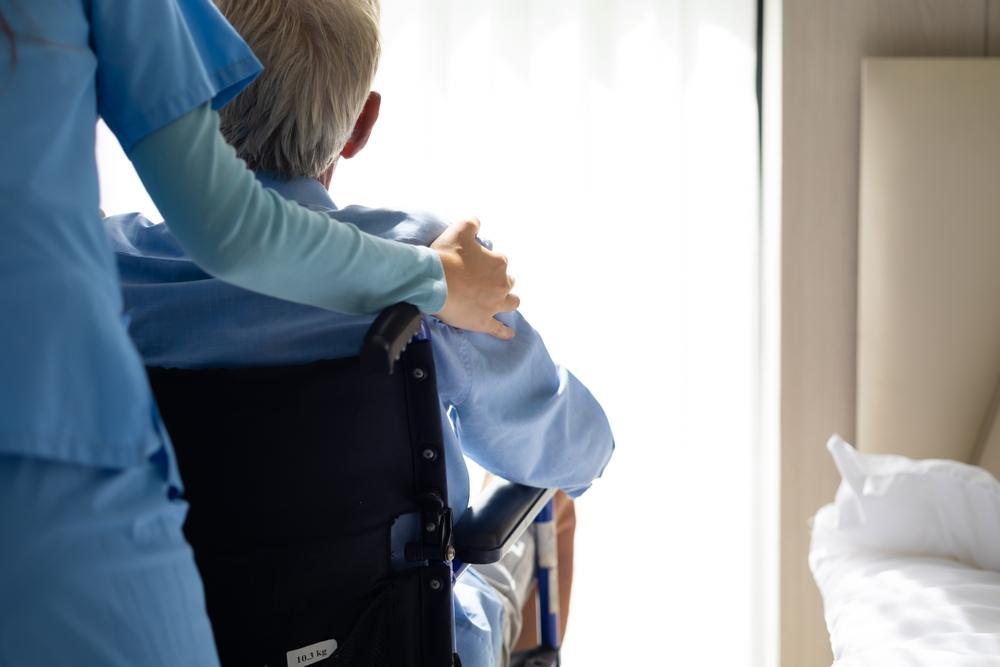
What is considered nursing home abuse is any act or failure to act that harms a resident or puts that resident at risk of harm. Abuse can be physical, emotional, sexual, or financial, and it can also involve neglect by caregivers or facilities.
Families often notice signs of abuse before the staff does. Unexplained bruises, sudden fearfulness, poor hygiene, weight loss, or unusual bank activity may all point to abuse or neglect. If you suspect abuse of your loved one, talk to a Cleveland nursing home abuse lawyer for advice.
What Counts as Nursing Home Abuse Under the Law?
Nursing home abuse generally includes intentional harm, reckless conduct, or neglect that causes injury to a resident. A caregiver, staff member, administrator, or even another resident may be involved, depending on the facts. The law may also apply when a facility ignores known risks and fails to protect someone in its care.
Abuse is not limited to visible violence. It can involve threats, humiliation, improper use of restraints, sexual contact without consent, or taking a resident’s money or property. Neglect may also qualify when staff fail to provide food, water, medication, hygiene, supervision, or medical attention.
A nursing home abuse claim may focus on what the facility did, what it failed to do, and whether that conduct caused harm. Records, witness statements, photos, care plans, and medical evidence often help show what happened. If you suspect abuse, documenting concerns early can make a difference.
For a free legal consultation, call 216-774-0000
What Are the Main Types of Nursing Home Abuse?
The main types of nursing home abuse include physical abuse, emotional abuse, sexual abuse, financial exploitation, and neglect. Each type can affect a resident differently, but all can lead to serious harm. Some cases involve more than one form of mistreatment at the same time.
Families should watch for patterns that do not fit the resident’s condition or care plan. A single sign may not tell the whole story, but repeated problems can point to a larger issue.
Common examples include the following:
- Physical abuse may involve hitting, pushing, pinching, or improper restraint.
- Emotional abuse may involve threats, insults, intimidation, or isolating a resident from others.
- Sexual abuse may involve any nonconsensual sexual contact or contact with a resident who cannot consent.
- Financial exploitation may involve forged checks, missing cash, changed account activity, or pressured transfers of property.
- Neglect may involve poor hygiene, dehydration, untreated bedsores, medication errors, or lack of supervision.
When people ask what is considered nursing home abuse, they are often surprised to learn that neglect is one of the most common answers. A facility does not have to strike a resident for harm to occur. Leaving someone without basic care can be just as damaging.
What Signs May Suggest a Resident Is Being Abused?
Signs of nursing home abuse may include physical injuries, sudden emotional changes, or unexplained financial activity. You may also notice changes in the resident’s daily condition, such as poor grooming, dirty clothing, or repeated infections. In some situations, the resident may become withdrawn or fearful around certain staff members.
Behavioral changes can be just as telling as physical injuries. A loved one who once spoke openly may suddenly become quiet, anxious, or confused after staff enter the room. If the resident avoids eye contact, seems afraid to speak, or gives inconsistent explanations, that may call for a closer look.
Financial warning signs can also point to abuse in a nursing home. Missing belongings, unusual withdrawals, new names on accounts, or documents signed under pressure may all raise concern. When several signs appear together, it may be time to ask direct questions and review records carefully.
Click to contact our lawyers today
Is Neglect the Same as Nursing Home Abuse?
Neglect is not the same as intentional abuse, but it is often treated as a form of nursing home abuse under the law. Abuse usually involves harmful acts, while neglect involves a failure to provide proper care. Both can lead to injury, pain, illness, or death.
A resident may suffer neglect when staff members are too few in number, poorly trained, inattentive, or unwilling to follow care plans. Missed medication, untreated infections, falls, malnutrition, and dehydration are common examples. These problems can develop quickly when a facility does not monitor residents closely.
In many nursing home abuse cases, neglect is tied to broader facility problems. Poor hiring practices, weak supervision, and understaffing can create unsafe conditions for many residents at once. Looking at the facility’s records may show whether the issue was an isolated event or part of an ongoing pattern.
Complete a Free Case Evaluation form now
Who Can Be Responsible for Nursing Home Abuse in Cleveland?
Responsibility for nursing home abuse in Cleveland may rest with an individual caregiver, the facility, or both. A staff member may directly cause harm, but the nursing home may also be liable if it hired the wrong person, failed to supervise workers, or ignored complaints. In some cases, outside contractors or management companies may also share fault.
A facility has duties to screen employees, train staff, monitor residents, and respond to signs of abuse or neglect. When it fails to take reasonable steps to protect residents, that failure may support a legal claim. This is true even if the abuse was carried out by one employee acting alone.
Liability may also arise when one resident harms another and the facility knew there was a safety risk. For example, if staff knew a resident had violent tendencies and failed to supervise interactions, the home may still be responsible. A close review of reports, staffing logs, and prior complaints can help identify who should be held accountable.
What Should You Do If You Suspect Nursing Home Abuse?
If you suspect nursing home abuse, take steps right away to protect your loved one and preserve information. Start by checking the resident’s immediate safety and seeking medical care if needed. You can also document injuries, living conditions, statements, and dates of concerning events.
A short, clear record can help if your family later decides to report the issue or pursue a claim. Save photographs, discharge papers, billing records, names of staff on duty, and any messages with the facility. Written notes made close in time to the event are often helpful when details are later disputed.
After you have gathered basic information, you may choose to report the conduct to the facility, state regulators, adult protective services, or law enforcement depending on the facts. Speaking with a lawyer can help you decide what steps fit your situation.
How Can a Nursing Home Abuse Claim Help Your Family?
A nursing home abuse claim can help your family seek accountability, answers, and financial recovery for harm caused by abuse or neglect. Depending on the facts, a claim may involve medical costs, pain and suffering, relocation expenses, or losses tied to financial exploitation. In some cases, it may also lead to more careful practices at the facility.
Many families also want access to records and a clearer explanation of what happened. Legal action can bring attention to missing documentation, conflicting reports, or patterns of unsafe care. That process may help you make informed choices about the resident’s treatment and living arrangements.
Each case depends on its own facts, including the resident’s condition, the type of harm involved, and the available evidence. Timing matters because records may disappear and memories may fade. Taking action early can help preserve facts that support your family’s concerns.
Talk to a Cleveland Nursing Home Abuse Lawyer
Nursing home abuse can include direct violence, emotional mistreatment, sexual misconduct, financial exploitation, and neglect. If your loved one has unexplained injuries, sudden behavioral changes, or signs of poor care, those facts may point to a legal issue that should not be ignored.
Knowing what is considered nursing home abuse can help you respond quickly and protect someone who may not be able to protect themselves.
If you want guidance about whether you have a nursing home abuse claim, contact HMW Law—Ohio Trial Attorneys.
Call or text 216-774-0000 or complete a Free Case Evaluation form