
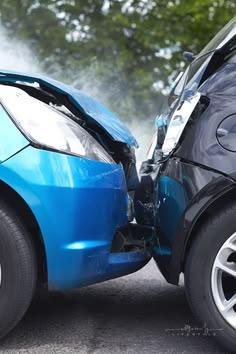
As a passenger in a car accident, who you can sue depends on who caused the crash and how your injuries happened. In many cases, a passenger may have a claim against one driver, both drivers, or another party whose conduct contributed to the collision.
As a passenger, you are often in a different position than the drivers because you generally were not responsible for causing the crash. That can make it possible to pursue compensation through an insurance claim or personal injury lawsuit against the at-fault party. The right path depends on the facts, the available insurance coverage, and your losses.
You may also have questions about medical bills, missed work, and whether filing a claim against someone you know will create financial stress for that person. You could be wondering, “I was a passenger in a car accident, who do I sue?” To learn more, talk to a Cleveland car accident lawyer today and schedule a free consultation.
Can a Passenger Sue After a Car Accident?
Yes, a passenger can often sue after a car accident if another party caused the crash and the passenger suffered injuries. Because passengers are rarely responsible for the collision, they may have a stronger claim than a driver who is accused of sharing fault. A lawsuit may be filed when an insurance claim does not fully cover the losses.
In many passenger injury cases, the first step is identifying all potentially liable parties. That may include the driver of the car you were riding in, the driver of another vehicle, or both. If another party played a role, such as an employer or vehicle owner, that may also affect the claim.
A personal injury case can seek payment for losses tied to the crash and your recovery. These losses may include both financial and non-financial harm.
For a free legal consultation, call 216-774-0000
Who Is Liable for a Passenger Injury Claim?
The liable party in a passenger injury claim is the person or entity whose negligence caused or contributed to the accident. In some cases, liability is clear because one driver ran a red light or rear-ended another vehicle. In other cases, more than one party may share fault.
If both drivers acted carelessly, you may be able to bring claims against both insurance policies. For example, one driver may have been speeding while the other made an unsafe turn. A passenger injury claim may involve multiple sources of recovery when the facts support shared fault.
Liability can also reach beyond the drivers in some situations. The facts of the crash may show that another person or business bears legal responsibility. So, who is liable when you’re a passenger in a car accident? Depending on the circumstances, several parties may potentially be responsible for your injuries:
- A vehicle owner may be involved if they negligently entrusted the car to an unsafe driver.
- An employer may be liable if the at-fault driver was working at the time of the crash.
Do You Sue the Driver of the Car You Were In?
Yes, you may sue the driver of the car you were in if that driver caused the accident or partly caused it. This can feel uncomfortable when the driver is a friend, relative, or coworker, but these claims are often directed at the driver’s insurance coverage. The legal question is not your relationship to the driver, but whether that driver acted negligently.
For example, if the driver of your car was distracted, impaired, speeding, or ignored traffic laws, that conduct may support a claim. If another driver was also at fault, your case may involve both vehicles. This is one reason many passengers ask, “Who can a passenger sue after a car accident?” because the answer may include more than one defendant.
Filing a claim does not always mean the case will go straight to court. Many claims begin with insurance negotiations and only move into litigation if the insurer disputes fault, damages, or both.
Click to contact our lawyers today
What If Both Drivers Caused the Crash?
If both drivers caused the crash, you may have claims against both of them. As a passenger, you may be able to recover from multiple insurance policies when the evidence shows shared fault. This can matter when one policy is too small to cover all of your losses.
Fault is often divided based on each driver’s role in the collision. Insurance carriers may dispute that division, which can delay payment or lead to litigation. Even so, a passenger is usually able to seek compensation without being blamed for how the drivers operated the vehicles.
In a two-driver case, the evidence used to sort out fault may include several sources. The facts gathered early in the case can shape how liability is assigned.
Complete a Free Case Evaluation form now
Talk to Us About Your Passenger Injury Claim
If you were hurt as a passenger, the answer to who you sue depends on who caused the crash, whether multiple parties share fault, and what insurance coverage is available. A passenger injury claim may involve one driver, both drivers, or another liable party connected to the accident.
Reviewing the facts early can help you protect your right to seek payment for medical bills, lost income, and other losses. At HMW Law—Ohio Trial Attorneys, we can review your situation, explain your options, and help you decide what steps to take next.
We believe you should never be left in the dark about your case, so we work collaboratively with you and use technology to keep communication clear and transparent. If you want to learn more about filing a claim after riding in a car accident as a passenger, contact us today.
Call or text 216-774-0000 or complete a Free Case Evaluation form